Understanding How Google AI Overviews Select Sources
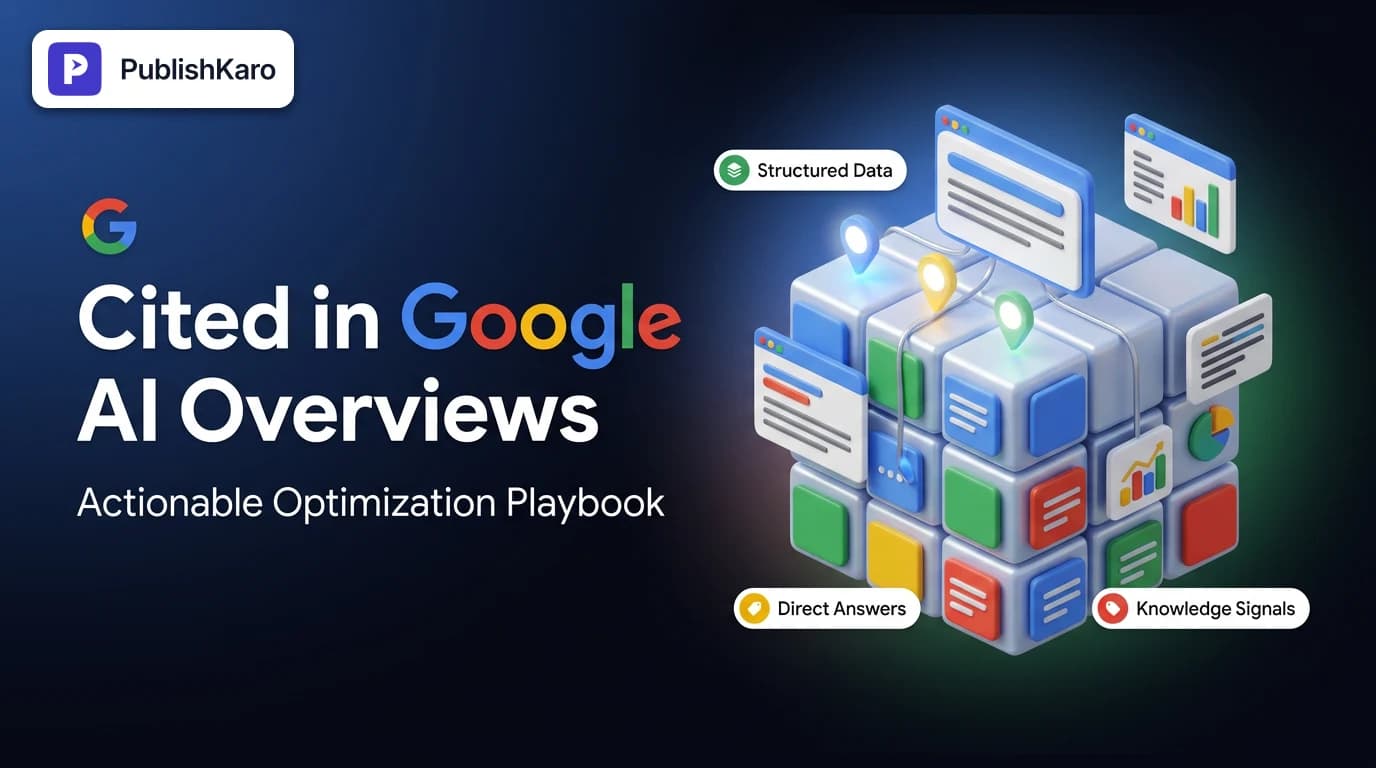
Google AI Overviews synthesize web information into structured, generative answers that appear directly at the top of search engine results pages. Rather than simply extracting a single paragraph from a solitary web address as traditional featured snippets do, generative search features combine insights from multiple web resources into a multi-part summary.
Earning inclusion within these AI-generated snapshots requires aligning your editorial workflow with automated retrieval engines. The search systems evaluate indexed pages to find content that provides unambiguous, factual, and direct explanations. When a business produces insightful editorial content but buries key solutions under narrative fluff, complex layouts, or bloated client-side code, search crawlers often bypass that content in favor of better-structured alternatives.
Foundational search optimization remains the cornerstone of AI visibility. Adhering to technical and architectural best practices documented in the Google SEO Starter Guide ensures that search crawlers discover, crawl, and render your site without friction. Organizations seeking to expand organic visibility across generative formats can coordinate their technical foundation with specialized SEO & Google Business services to establish lasting search prominence.
The Shift from Keyword Density to Informational Entities
Modern search engines operate as entity-first systems rather than basic keyword-matching algorithms. For sustainable ai overviews optimization, content creators must map relationships between recognized industry concepts, tools, certifications, and operational workflows. In generative search environments, an entity is any distinct, well-defined concept or thing—such as a specific software tool, a business framework, or an established technical standard.
To optimize for entity-based retrieval, avoid vague industry jargon. Instead of writing that an application "helps improve team productivity through modern online collaboration," explicitly state what the software executes, the platforms it integrates with, and the exact protocols it uses. Clarifying these contextual relationships helps retrieval models categorize your content accurately within semantic knowledge graphs.
Algorithmic Verification and Topic Consensus
Generative summaries are designed to surface safe, verifiable, and accurate answers to searchers. To reduce the likelihood of inaccurate responses, automated synthesis systems cross-check facts against authoritative web repositories. When multiple reputable sources state the same technical sequence or factual definition, search systems treat that information as consensus.
If your page presents highly contrarian viewpoints or unverified theories without strong factual backing, generative retrieval models may omit your content from cited summaries. When authoring technical guides, benchmark comparisons, or regulatory explanations, align your core definitions with industry standards while offering original analytical value in your supporting commentary.
Content Architecture for AI Overview Citations
Your layout structure determines how effectively search models locate, extract, and cite your answers. Clear semantic hierarchies enable machine readers to isolate individual subtopics without parsing extraneous interface elements.
The Inverted Pyramid Model
The inverted pyramid editorial structure works exceptionally well for search engines processing informational queries. Apply this framework systematically under every major heading:
- Direct Answer Block: State the primary conclusion, definition, or answer within the initial 40 to 60 words beneath the heading.
- Supporting Mechanics: Detail the operational steps, requirements, quantitative metrics, or underlying mechanisms immediately afterward.
- Practical Nuance and Exceptions: Conclude the section by discussing edge cases, strategic context, and implementation tips.
When readers and web crawlers encounter this clean layout, they can digest the core response immediately without sifting through background context.
Semantic HTML and Clean Markup
Generative search crawlers rely on standard semantic HTML elements to understand document hierarchy. Use native tags such as <p>, <ul>, <ol>, and <table> rather than complex nested <div> containers or custom script-rendered widgets. Present chronological or procedural tasks using ordered lists, and format categorical options using unordered lists.
When presenting side-by-side data, technical specifications, or pricing structures, use clean Markdown or semantic HTML tables instead of embedded images or custom graphic callouts. Search engines parse tabular text cleanly, while text flattened into graphics often remains invisible to automated snippet extractors.
For businesses using content management systems, selecting lightweight, standard-compliant themes reduces layout clutter. For example, website owners updating their publishing framework can review our step-by-step guide on how to switch to block theme WordPress to create cleaner, faster-loading templates.
Incorporating Structured Data
Structured data provides machine-readable metadata that clarifies the role and authoritativeness of your content. By incorporating schema vocabularies such as Article, FAQPage, HowTo, and Organization, you present explicit context directly within the page's code. For technical implementation rules, consult the Google Structured Data Guide.
Structured markup does not guarantee inclusion in an AI Overview, but it eliminates ambiguity regarding author attribution, publishing dates, content categories, and step-by-step sequences. Online merchants aiming to keep technical performance and structured data aligned can consult our breakdown on how to fix Shopify Interaction to Next Paint to ensure user responsiveness matches machine-level clarity.
Technical Foundations and Core Web Vitals
Editorial clarity cannot overcome slow or technically inaccessible web hosting. If search engine crawlers encounter slow server responses, broken scripts, or aggressive bot-blocking rules, your pages may not be parsed in time for generative synthesis.
Search systems measure responsiveness, visual stability, and load performance using user-centric metrics outlined in the Google Core Web Vitals Documentation. You can explore practical steps to improve your site's technical health in our tutorial on website speed optimization for small business.
When developing custom websites, prioritize server-side rendering or static page generation over complex client-side rendering. When content depends on multiple client-side JavaScript calls, web crawlers may experience delays parsing the text, reducing your chances of prompt snippet evaluation.
Comparison Table
Understanding the operational differences between standard organic search results, traditional featured snippets, and modern Google AI Overviews helps marketing teams organize their optimization roadmaps.
| Evaluation Metric | Traditional Organic Results | Featured Snippets | Google AI Overviews |
|---|---|---|---|
| Primary Selection Trigger | Backlink strength, domain age, keyword matching | Single concise answer directly matching search intent | Multi-source synthesis answering complex user queries |
| Attribution Style | Single hyperlinked title per listing | Single primary domain cited inside the answer box | Multiple interactive citation badges and external links |
| SERP Placement | Standard vertical list | Position zero, above organic search results | Top of the SERP, expanding across mobile and desktop |
| Preferred Content Format | Varied layouts, long articles, resource hubs | Short text summaries, small lists, basic tables | Structured definitions, numbered processes, comparative data |
| Targeted Search Intent | Transactional, navigational, single queries | Factual, definitional, quick-answer searches | Multi-part, exploratory, and comparison searches |
| Code Requirements | Standard crawling and indexation | Clean headings and basic HTML clarity | Valid schema, fast server delivery, strict semantic tags |
Visual guide
How Google Builds AI Overviews
Generative search reviews multiple indexed pages to verify facts before creating a single combined answer.
Structuring Sections for AI Citations
Use the inverted pyramid model beneath every major heading so automated systems capture your answers instantly.
Checking Content for AI Eligibility
Evaluate your drafted content to ensure it meets clarity standards before publishing.
Practical Examples
Applying structured formatting across diverse content categories increases your chances of being indexed cleanly by automated retrieval engines. Below are three real-world publishing scenarios illustrating effective formatting.
Formatting Algorithmic and Platform Tutorials
When writing tactical platform guides, avoid starting with lengthy anecdotes about social media trends. Lead directly with the exact sequence required to complete the task.
Suboptimal approach:
Social media feeds change constantly, leaving many creators confused about how content is delivered. If you want your feed to stay relevant, you should adjust your account settings regularly.
Optimized approach for AI Overviews:
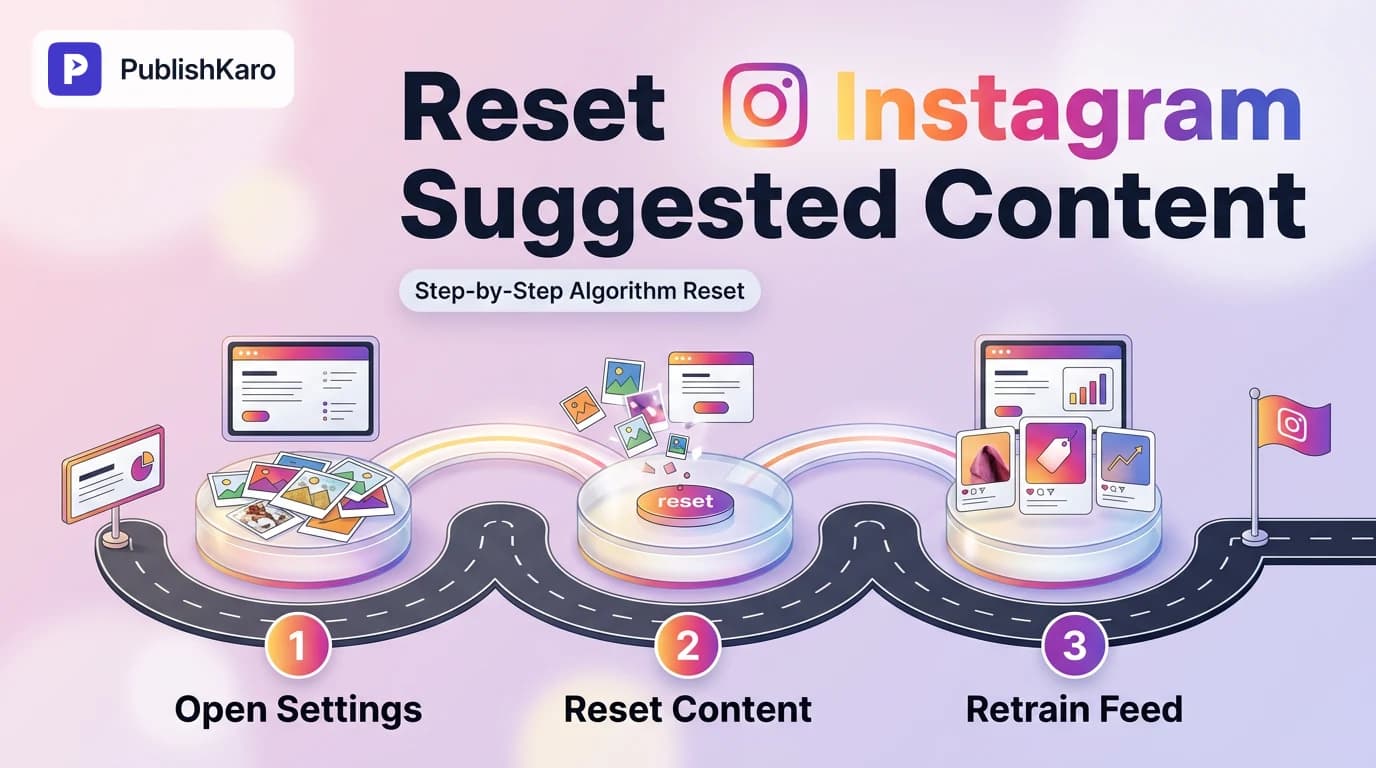
To reset algorithm suggestions on social platforms, complete these three steps:
- Open account settings and select the content preferences menu.
- Clear your application search history and watch logs.
- Select "Not Interested" on unwanted suggested posts across your main feed.
This structured format presents explicit steps that search retrieval bots can easily process. Marketers managing social channels can observe similar structural principles in our breakdown on how to reset Instagram suggested content.
Addressing Financial and Pricing Inquiries
Prospective buyers regularly search for cost benchmarks prior to engaging creative or development agencies. When authoring financial content, define pricing tiers and variable scope components early in the text.
Suboptimal approach:
Every project is entirely unique, so pricing varies wildly based on many subjective factors. Contact an account manager to receive a custom quote.
Optimized approach for AI Overviews:
Rebranding costs for small businesses typically range from modest visual refreshes to comprehensive brand transformations. Total investment levels depend on asset deliverables, typography licensing, and brand identity guidelines.
Structuring cost explanations this way aligns with our practical review of how much rebranding costs small business owners. Clear initial definitions provide search bots with usable context before diving into pricing variables.
Explaining Automated Technical Systems
When writing technical documentation or platform setup guides, specify operational requirements and platform prerequisites before detailing the setup steps.
Optimized approach for AI Overviews:
Setting up an automated messaging assistant requires three primary prerequisites:
- A verified business profile on the messaging network.
- An active webhook endpoint configured on a secure, dedicated server.
- An integrated message processing workflow to direct inbound customer queries.
This format follows the instructional structure used in our guide on how to set up a WhatsApp AI chatbot for business, ensuring automated indexing bots can digest prerequisite structures cleanly.
Building Brand Authority and Knowledge Graph Signals
Retrieval engines look for authority markers across the web to confirm that a publishing source is legitimate, established, and credible.
Entity Verification Across the Web
Maintain unified naming conventions, contact details, and brand descriptions across all public company profiles. Ensure your local and regional profiles adhere strictly to the guidelines found in the Google Business Profile Help Center. Keeping this information consistent confirms your organization as a verified entity within global business registries.
For multimedia teams that publish visual assets alongside written articles, showcasing concrete pricing structures on creative services builds trust with search engines and clients alike. For example, standard video production costs include:
- Motion graphics reels: ₹2,000–₹5,000 per 1-minute video
- Animated-film style 3D: ₹4,000–₹10,000 per 1-minute video
- Video editing for every feed: ₹1,000–₹5,000 per 1-minute video
- AI video: ₹3,000–₹10,000 per 1-minute video
For all other creative or development work, custom projects are quoted after a free discovery call, at a fixed price agreed upon in writing. You can also explore production workflows in our breakdown of 3D product animation costs for ecommerce.
Multi-Channel Content Distribution
Publishing content exclusively on your own blog limits your brand's reach and authority footprint. Distributing your insights across social platforms, external publications, and email newsletters builds third-party brand citations over time. Using streamlined scheduling tools—such as the PublishKaro publishing app—allows digital teams to share high-value insights across all their channels efficiently.
Teams expanding their digital presence through targeted paid promotions can consult our operational guide on how to set up Meta ads super burst campaigns or explore our broader paid advertising services to scale brand visibility.
Checklist
Review this practical checklist before publishing informational content to help search engines index and extract your pages effectively:
- Concise Opening Statements: The first 40 to 60 words beneath each major heading answer the section's core topic directly.
- Native Semantic Markup: Every page element uses standard HTML tags (
<h2>,<h3>,<p>,<ul>,<ol>,<table>) without unnecessary nested code. - Standardized Industry Terms: All entity names, technical tools, and processes follow established industry terminology.
- Error-Free Structured Data: Schema markup (Article, FAQPage, or HowTo) is validated through search engine testing tools without warnings.
- Core Web Vitals Compliance: Visual stability, server response times, and page interactivity meet technical performance thresholds.
- Contextual Internal Linking: Content links out to related topic archives, including our SEO blog category, along with relevant service pages.
- Verified Factual Claims: Technical metrics, steps, and assertions are verified against documentation or primary sources.
- Mobile Responsiveness: Tables, lists, and interactive elements resize cleanly across all device screen widths.
Key Takeaways
- Generative search platforms synthesize answers by pulling from clear, factual, and well-structured web pages rather than relying solely on traditional top-ranked links.
- Place direct answers at the beginning of each major section using clear, declarative sentences that can be extracted cleanly.
- Native semantic HTML markup—such as ordered lists and simple Markdown tables—is easier for automated crawlers to parse than complex nested layouts.
- Technical site health and Core Web Vitals remain essential; slow-loading or client-rendered pages may not be evaluated for synthesized answers.
- Build your brand's authority footprint through verified business profiles, consistent schema markups, and cross-channel content distribution.
- Refine your search visibility roadmap by reviewing the resources on the PublishKaro blog or exploring our dedicated digital marketing services.
Frequently asked questions
What are Google AI Overviews?
Google AI Overviews are search engine features that use generative artificial intelligence to synthesize answers to user queries, displaying citation links and source cards alongside summarized text at the top of search results.
Does being cited in an AI Overview guarantee higher website traffic?
No. While earning an AI Overview citation provides high search visibility, click-through rates depend on search intent, placement layout, and whether the summary answers the user's question completely without requiring an external click.
Is structured data mandatory to appear in AI Overviews?
Structured data is not strictly mandatory, but implementing validated schema markup helps search crawlers identify author details, page types, and publishing context quickly and without ambiguity.
How quickly can a newly published article get cited in AI Overviews?
Crawl and evaluation speed varies based on your site's publishing cadence, technical indexability, and authority. New content can be indexed rapidly, but generative citation testing occurs continuously over time.
Can ecommerce product listings appear in Google AI Overviews?
Yes. When users search for product comparisons, buying advice, or specification breakdowns, generative summaries frequently cite commercial and product pages that present clear, well-structured product details.
How does conversational search affect keyword targeting?
Conversational search prioritizes natural language questions, topical entities, and complete answers over exact-match keyword repetition, making clear, direct explanations more valuable than repetitive phrasing.